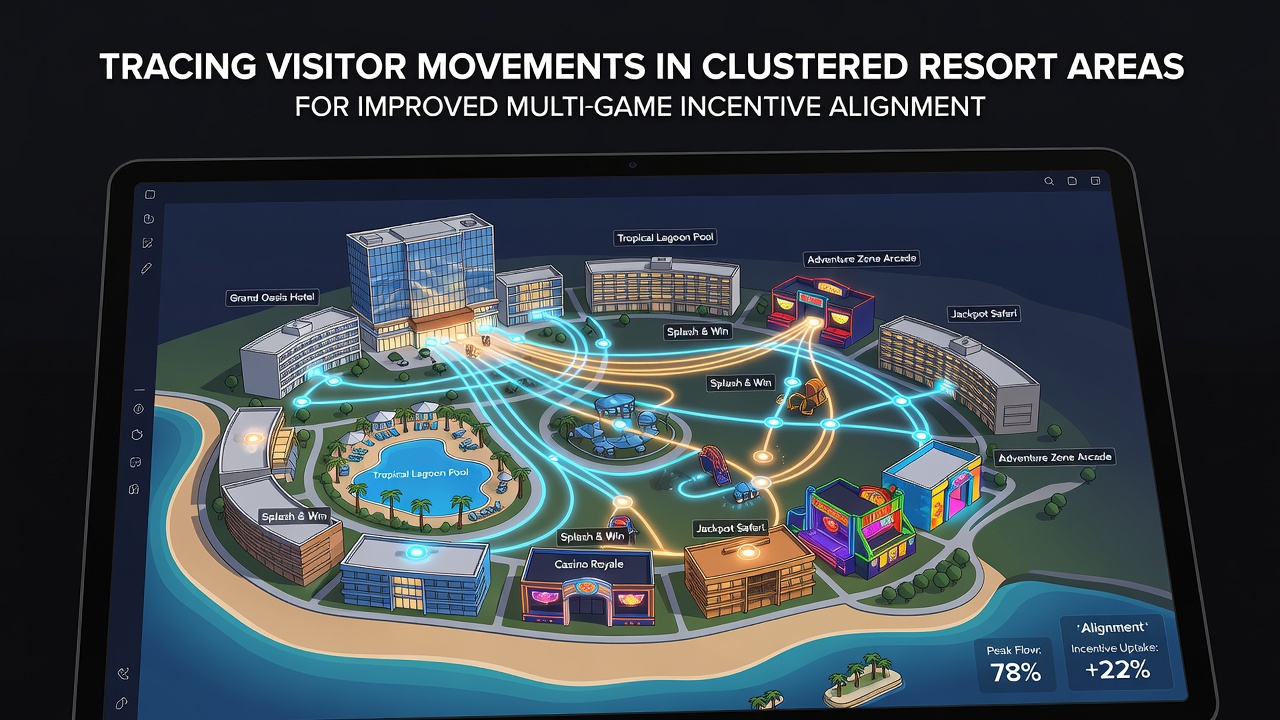
Tracing Visitor Movements in Clustered Resort Areas for Improved Multi-Game Incentive Alignment
Clustered resort areas bring together multiple gaming venues within walking distance, and operators track visitor flows to align incentives across slots, table games, and other offerings. Data from movement sensors, mobile applications, and loyalty card swipes reveal patterns that help synchronize bonus structures so players move between properties without losing promotional value. In August 2026 several regional reports highlighted increased adoption of these tracking systems in North American and European resort zones, where overlapping schedules for tournaments and promotions create opportunities for coordinated rewards.
Technologies Behind Movement Tracking
Resort operators deploy Wi-Fi triangulation, RFID wristbands, and anonymized mobile data to map how guests transition between gaming floors, restaurants, and entertainment zones. These tools capture timestamps and dwell times without storing personal identifiers, which allows analysts to build heat maps of high-traffic corridors. Researchers at the University of Nevada, Reno have documented how such datasets improve the timing of multi-game promotions by showing peak transition hours between adjacent properties. Government agencies including the Nevada Gaming Control Board publish aggregated statistics that confirm these methods reduce friction in loyalty point redemption across venues.
Linking Movement Data to Incentive Design
When visitors complete a session at one resort and proceed to another, aligned incentives maintain engagement by offering seamless bonus carry-over or shared progress toward tier status. Operators examine dwell-time statistics to determine whether a player who spends forty-five minutes on video poker is likely to continue to a nearby blackjack pit or exit the cluster entirely. Adjustments to minimum bet requirements and free-play windows follow directly from these observations, so promotions activate precisely when traffic volumes peak between properties. Figures from the American Gaming Association indicate that synchronized reward windows have lifted cross-venue play rates in several tested markets during the first half of 2026.
Regional Examples and Data Patterns
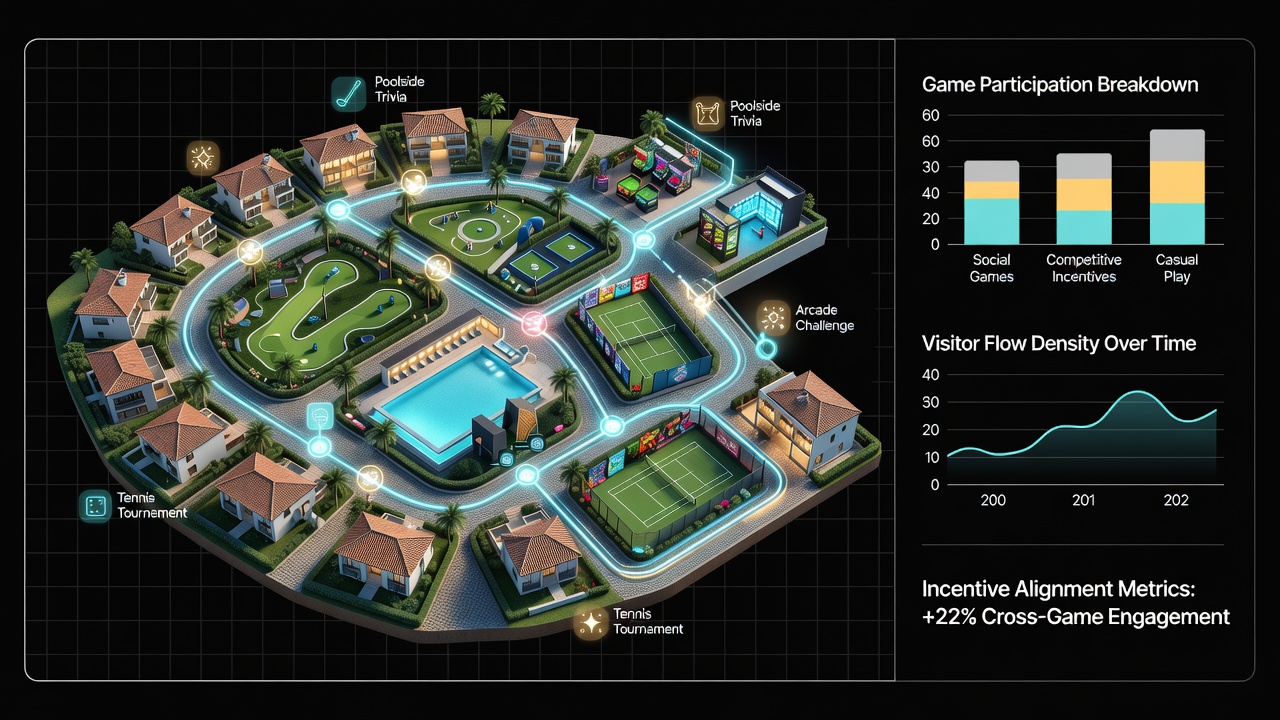
In the Las Vegas Strip corridor, movement studies from 2025 through August 2026 reveal consistent afternoon surges from slot-heavy properties toward table-game destinations, prompting operators to schedule progressive jackpot qualifiers that bridge both formats. Canadian operators in Niagara Falls have applied similar analytics to align slot tournaments with poker sit-and-go events, using pedestrian bridge sensors to confirm guest routing. European resort clusters near the Mediterranean have reported parallel findings, where ferry arrival times correlate with increased foot traffic and subsequent multi-game bonus redemptions. Each case demonstrates that calibrated incentive windows reduce player drop-off during transitions.
Challenges in Data Integration
Combining datasets from separate loyalty platforms requires standardized APIs and privacy-compliant aggregation methods. Observers note that mismatched time zones or differing minimum-play requirements can create gaps where visitors lose promotional momentum. Industry working groups continue to refine protocols that preserve anonymity while permitting real-time synchronization of reward ledgers. Regulatory filings from multiple jurisdictions show that successful implementations maintain compliance by limiting data retention to aggregate flow metrics rather than individual itineraries.
Future Developments Expected by Late 2026
Analysts project expanded use of beacon networks and augmented-reality wayfinding apps that will further refine movement predictions. These additions should allow operators to test dynamic incentive adjustments that respond to live traffic counts, such as offering instant match-play credits when a critical mass of visitors crosses between two specific venues. Reports scheduled for release in the final quarter of 2026 are expected to quantify the revenue impact of these refinements across clustered resort markets.
Conclusion
Tracing visitor movements supplies the factual foundation for aligning incentives across multiple game types within resort clusters. Aggregated data from sensors and loyalty systems guides the placement and timing of promotions so that transitions between venues become opportunities rather than interruptions. Continued refinement of these methods, supported by regulatory and academic sources, will shape how operators structure rewards through the remainder of 2026 and beyond.