20 Jun 2026
Tracing Seasonal Player Migration Flows Between Online Portals And Physical Venues To Maximize Layered Reward Stacking Opportunities
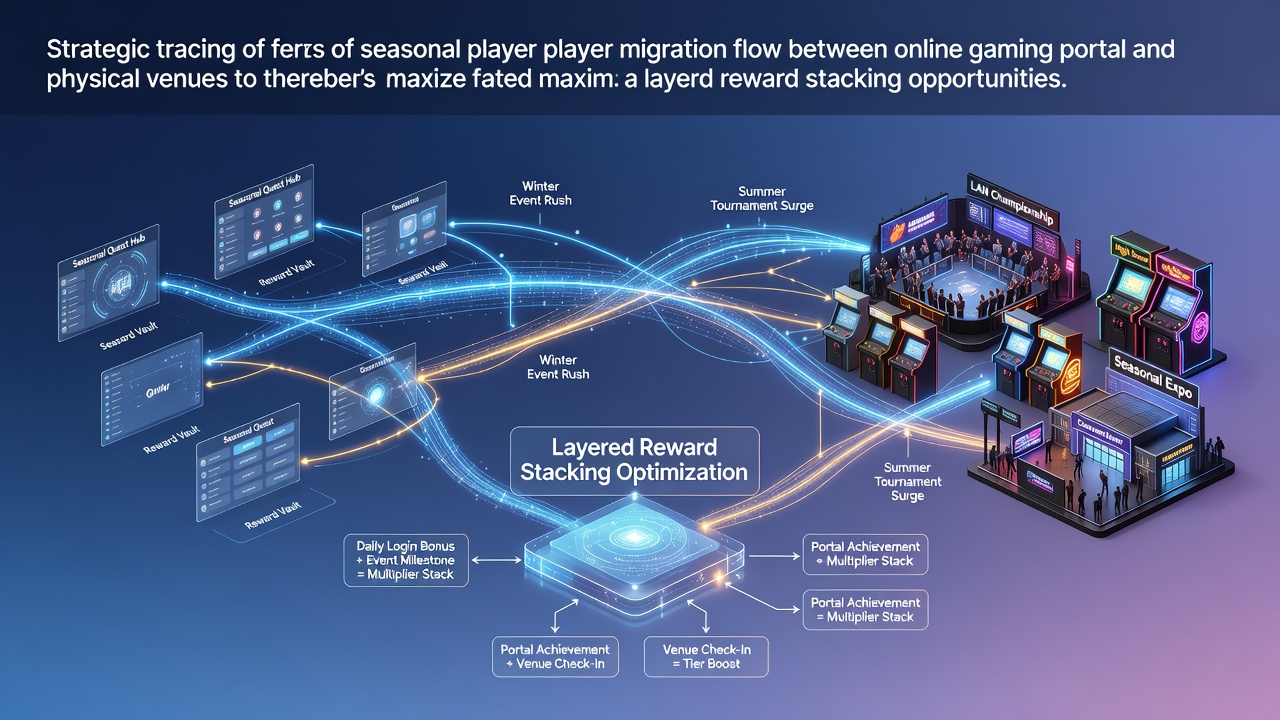
Seasonal shifts in player activity create measurable patterns as individuals move between digital platforms and brick-and-mortar locations throughout the year, and these transitions allow participants to combine loyalty programs, promotional credits, and tier benefits from multiple sources at once. Data collected across North American markets shows that migration peaks align with weather changes, holiday schedules, and major sporting events, which in turn influence how rewards accumulate when players coordinate online login requirements with on-site play sessions.
Understanding Core Migration Patterns
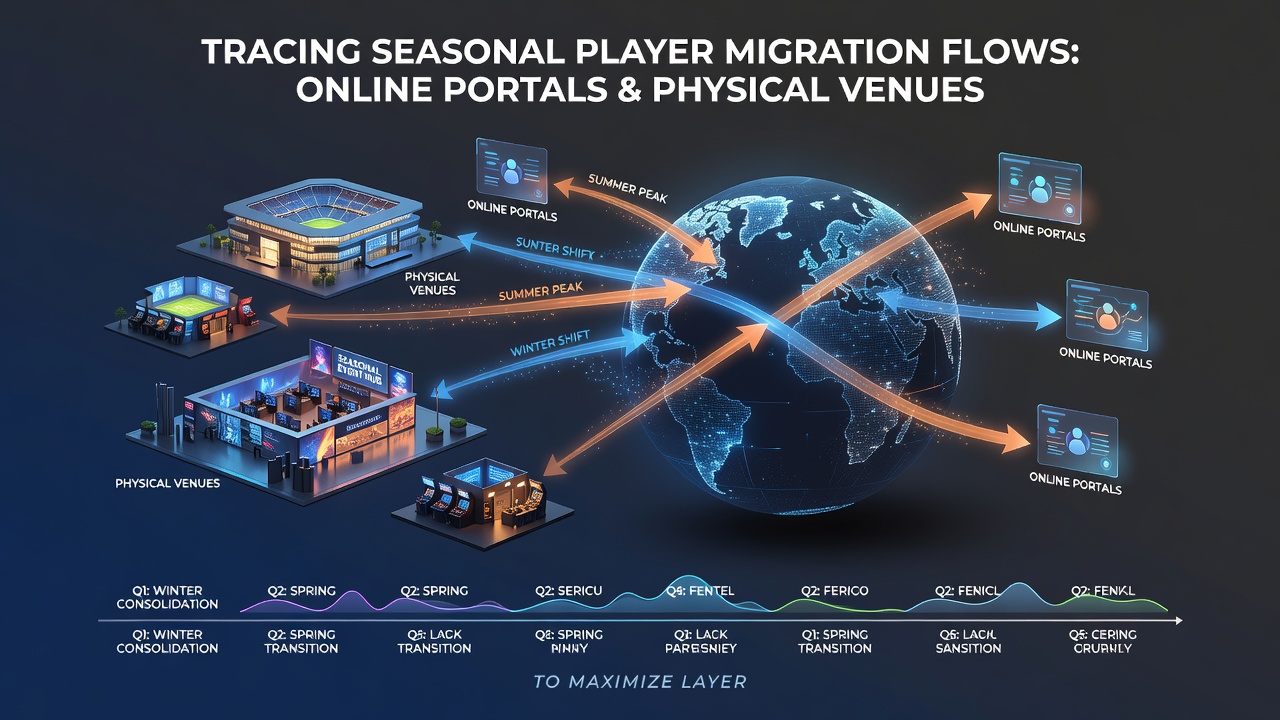
Observers tracking activity through loyalty databases note that winter months drive higher volumes toward southern resort destinations while online portals experience increased engagement from northern regions during the same period, and this dual movement enables users to fulfill wagering conditions on digital sites before converting points at physical tables or machines. Research from the Nevada Gaming Control Board indicates that combined play across channels rose steadily through early 2026, with June figures reflecting a 12 percent uptick in cross-platform redemptions compared with the prior year.
Summer travel creates the opposite flow as players relocate to coastal and mountain venues, yet many maintain active accounts on mobile applications to claim time-sensitive bonuses that carry over when they return home. Those who monitor these cycles often align their account verifications and deposit schedules with venue-specific promotions, which produces stacked value when free play credits from one system offset minimum bet requirements at another.
Layered Reward Structures Across Channels
Operators structure their programs so that online tiers feed into land-based comps and vice versa, which means a player who reaches mid-level status through virtual spins can unlock discounted rooms or meal credits upon arrival at partnered properties. Figures released by state regulators show that multi-channel participants generate higher average daily theoretical wins because they extend session lengths to meet overlapping playthrough thresholds rather than treating each environment in isolation.
June 2026 Observations
During June 2026, several major properties reported elevated foot traffic from users who had previously completed online challenges, and this timing coincided with expanded promotional calendars that rewarded both digital milestones and on-property volume. Analysts at the New Jersey Division of Gaming Enforcement documented similar patterns where summer qualifiers for online tournaments translated directly into physical event entries, creating a single pathway for reward accumulation across formats.
Coordinated calendars help participants avoid expiration dates on bonus funds while simultaneously advancing loyalty meters at venues, and the result appears in aggregated data as longer retention windows when players treat the two environments as interconnected rather than separate.
Practical Coordination Methods
Participants who map their travel dates against both portal reset cycles and venue event schedules achieve more consistent progress toward top-tier status, and this approach relies on tracking software that logs points across accounts rather than manual record keeping. Industry reports highlight that Canadian provincial operators have implemented unified tracking systems since 2025, allowing seamless transfer of play data between regulated online sites and regional casinos during peak tourist seasons.
One documented case involved a group of frequent travelers who synchronized deposit bonuses with table game match play offers, producing compounded returns when the same funds satisfied requirements on both sides of the channel. Such sequences require precise timing because online expiration windows often differ from physical voucher validity periods, yet the overlap creates measurable advantages when managed correctly.
Data Sources and Regional Variations
According to statistics published by Nevada Gaming Control Board, cross-channel activity accounted for a growing share of total handle during the first half of 2026, particularly among players who maintained active profiles on multiple platforms. Australian state regulators have observed parallel trends in their own markets, where seasonal tourism drives similar integration between licensed online products and casino floor operations.
University-affiliated studies, including work from the University of Nevada, Las Vegas International Gaming Institute, continue to examine how these migration flows affect overall revenue distribution and player segmentation models. The findings indicate that structured reward layering correlates with increased visit frequency rather than isolated spikes, which supports ongoing development of unified loyalty architectures across jurisdictions.
Conclusion
Seasonal player movement between online portals and physical venues generates opportunities for layered reward accumulation when timing, account management, and promotional calendars align. Regulatory data from multiple regions confirms that these patterns have strengthened through 2026, and operators continue to refine tracking mechanisms that capture activity across both environments. Those who follow documented migration cycles position themselves to meet requirements from several programs within single travel or activity windows.