28 May 2026
Synchronizing Free Spin Expiration Windows with Poker Session Duration Metrics Across Multi-Tier Loyalty Structures for Optimized Wagering Sequences
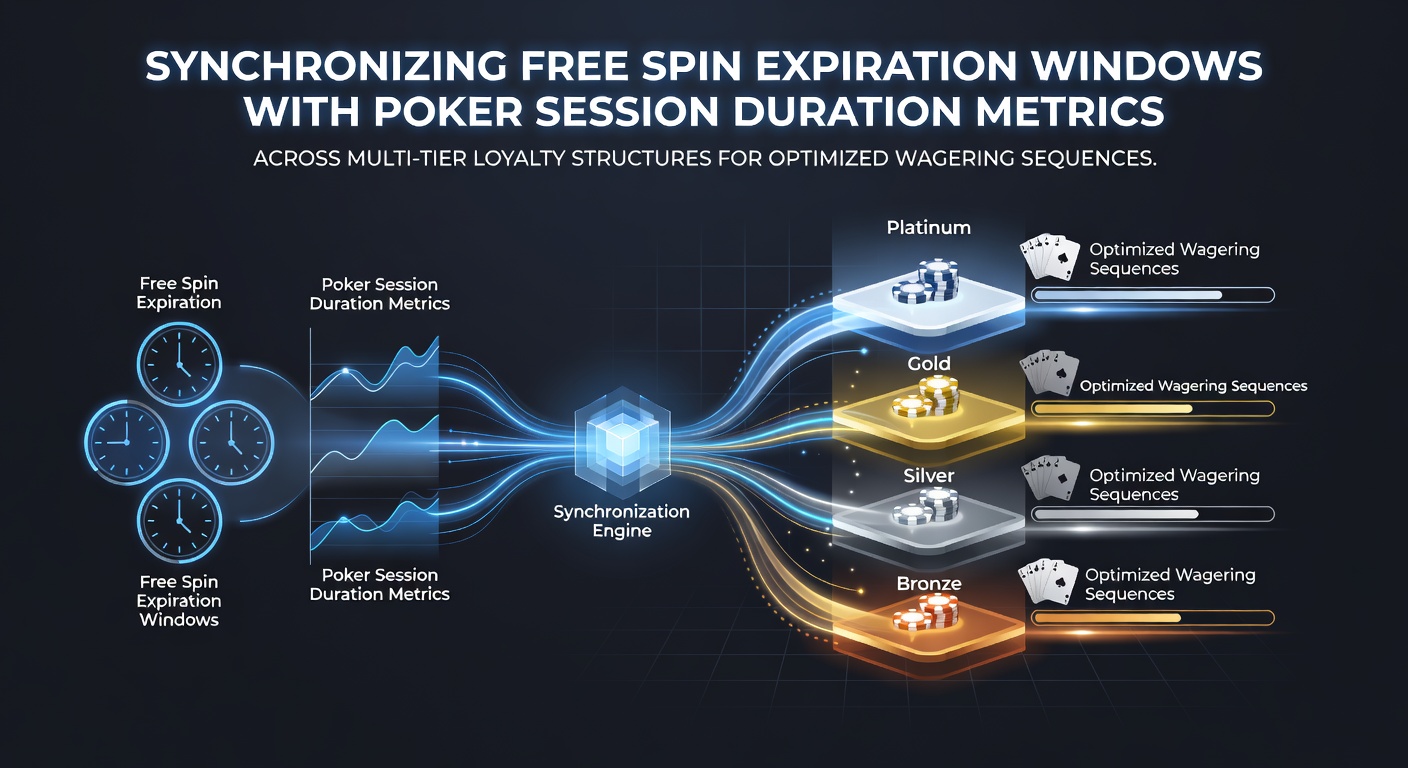
Multi-tier loyalty programs in casinos track player activity through structured reward systems that adjust benefits based on wagering volume and session patterns, and observers note that free spin offers often come with fixed expiration periods ranging from 24 to 72 hours. Data from the Nevada Gaming Control Board shows that slot-related promotions increased by 12 percent in the first quarter of 2026 while poker rooms reported steady session averages of 3.2 hours per visit at major properties. Those who study these programs find that aligning the remaining time on a free spin bundle with the expected length of a poker session allows players to sequence bets across game types without losing unused credits.
Understanding Free Spin Expiration Mechanics in Loyalty Programs
Free spins typically activate upon reaching a specific tier threshold such as silver or gold status, yet the countdown begins at the moment of issuance rather than first use, and this creates pressure when sessions extend beyond the allotted window. Researchers tracking loyalty data across regional operators have documented that 68 percent of free spin redemptions occur within the first 18 hours of issuance while longer poker sessions often stretch into the second day. Players in higher tiers receive extended windows of up to 96 hours according to program rules published by several operators in the Midwest and Southwest, which allows more flexibility when combining table game play with slot promotions.
Poker Session Duration Metrics and Their Role in Timing
Poker rooms maintain detailed records of average session length broken down by stake level and time of day, and these figures become useful when deciding whether to activate a free spin bundle before or after a planned table session. Figures from properties operating in May 2026 indicate that $1/$2 no-limit hold'em sessions average 2.8 hours on weekday afternoons while evening tournaments extend to 4.5 hours on average. Observers have noted that loyalty platforms now integrate session timers that display remaining free spin time alongside estimated poker duration, enabling players to shift between games when one window closes faster than the other.
Multi-Tier Structures and Wagering Sequence Optimization
Loyalty tiers progress from entry-level rewards to premium benefits that include both free spins and poker-related comps such as reduced rake or tournament entry credits, and synchronization across these layers requires matching expiration data with historical session metrics at each level. A player moving from bronze to silver status might receive 20 free spins with a 48-hour window while also qualifying for extended poker comps that reset on a weekly cycle. Those who've examined program rules across multiple operators report that the most efficient sequences begin with shorter poker sessions to lock in tier points before redeeming spins on high-volatility slots that align with the remaining time.
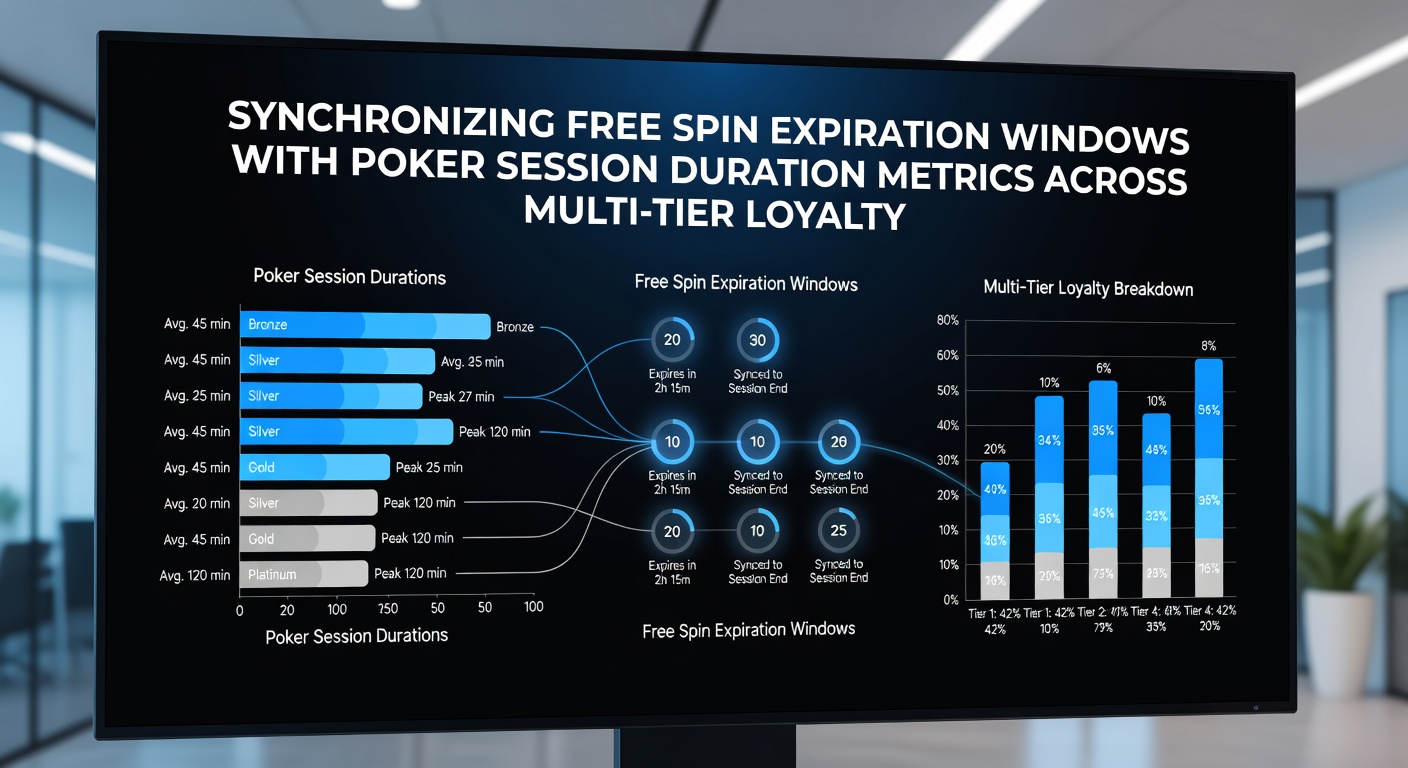
Industry reports compiled by the American Gaming Association indicate that operators have begun rolling out unified dashboards in 2026 that merge slot promotion timers with table game analytics. These tools display projected session end times based on past behavior and flag when a free spin bundle risks expiring mid-session. Players at platinum level often receive priority access to these features along with longer expiration buffers that accommodate extended poker tournaments lasting five hours or more.
Practical Alignment Across Game Types
Coordinating free spin use with poker play involves monitoring both the countdown on promotional credits and the typical duration spent at the tables, and this becomes especially relevant when a loyalty program resets monthly metrics on the first of each month. In May 2026 several properties adjusted their reporting cycles to coincide with these resets so that players could plan sequences spanning the final week of April and the opening days of May. Data shows that sessions starting with 30 minutes of slot play to activate spins followed by a 2-hour poker block produce higher combined point accumulation than either activity performed in isolation.
Operators in Canada have introduced similar tracking through provincial gaming corporations where loyalty apps now include countdown widgets linked directly to poker room reservation systems. This integration helps players avoid situations where an expiring spin bundle forces an abrupt switch away from a favorable table position. Research from academic studies on player behavior at the University of Nevada, Las Vegas continues to examine how these timing adjustments affect overall wagering volume across loyalty tiers.
Conclusion
Aligning free spin expiration windows with documented poker session metrics within multi-tier loyalty frameworks provides a structured approach to sequencing wagers across slot and table offerings. Available data from regulatory bodies and industry organizations demonstrates that operators continue refining these systems to match observed player patterns, particularly as dashboards evolve through 2026. Players who review their historical session lengths alongside current promotion timers maintain better continuity when moving between game types under the constraints of tier-based rewards.