Roadmaps in Baccarat: Tracking Patterns That Guide Smarter Bets Without Chasing Ghosts
16 Apr 2026
Roadmaps in Baccarat: Tracking Patterns That Guide Smarter Bets Without Chasing Ghosts
Understanding Roadmaps in the World of Baccarat
Baccarat draws crowds in casinos worldwide because of its simplicity, yet players often seek edges through pattern tracking via roadmaps; these charts, displayed on tables or screens, record outcomes in real time, helping participants visualize sequences without predicting the future. Originating in Asian gaming hubs decades ago, roadmaps evolved from simple tally sheets into sophisticated grids that mark wins for Player, Banker, or Tie, using colored circles or lines to denote results as they unfold. Casinos provide them standardly, and by April 2026, digital versions on tablets and apps have become commonplace, allowing high-limit players in places like Las Vegas or Macau to zoom in on trends during sessions that stretch hours.
What's interesting about roadmaps lies in their dual role; they offer a factual record of past hands while tempting some to hunt illusions of predictability, but data from casino operations consistently shows each hand remains independent, with house edges holding steady at 1.06% for Banker bets and 1.24% for Player, according to analyses by Wizard of Odds. Observers note how seasoned players use these maps not for prophecy, but for discipline, spotting when to stick to proven wagers amid the chaos of streaks and chops.
The Main Types of Baccarat Roadmaps and How They Work
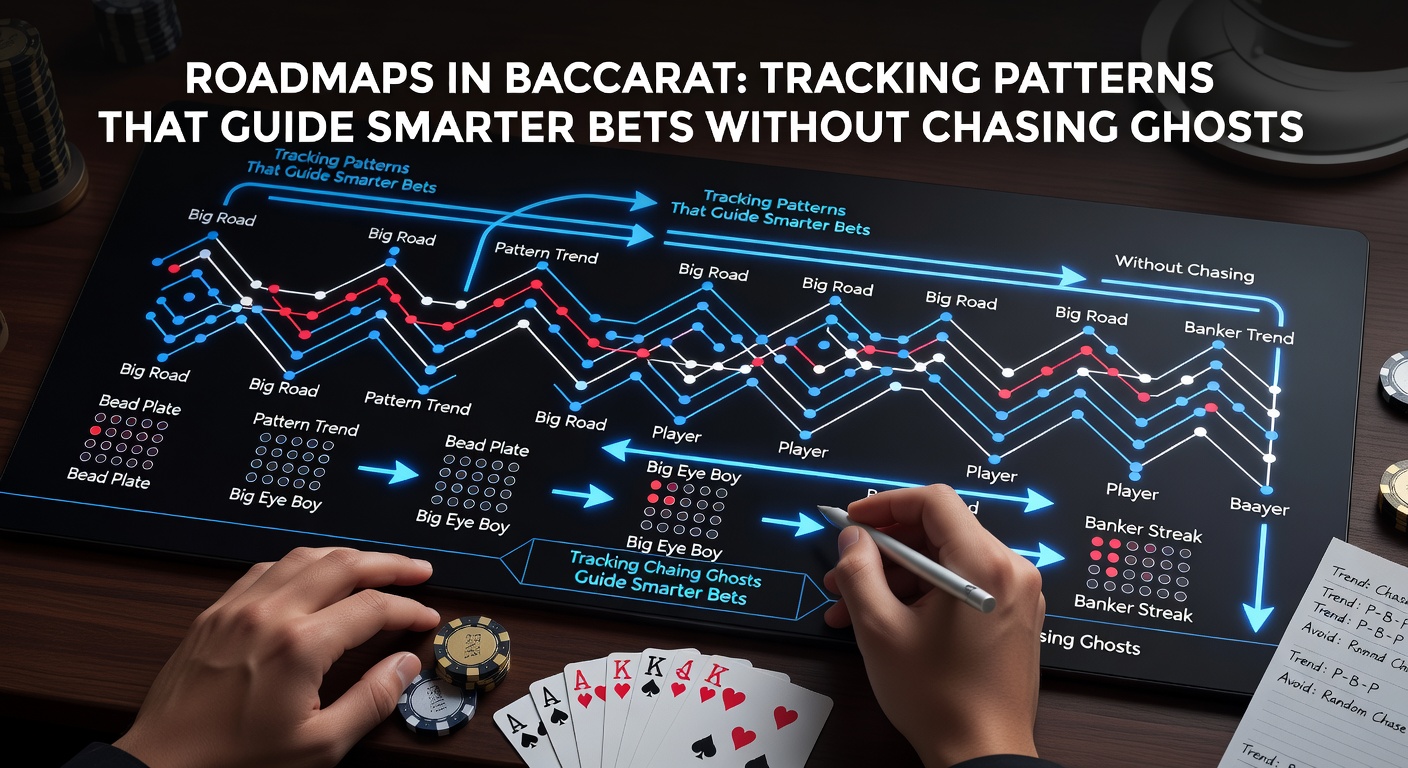
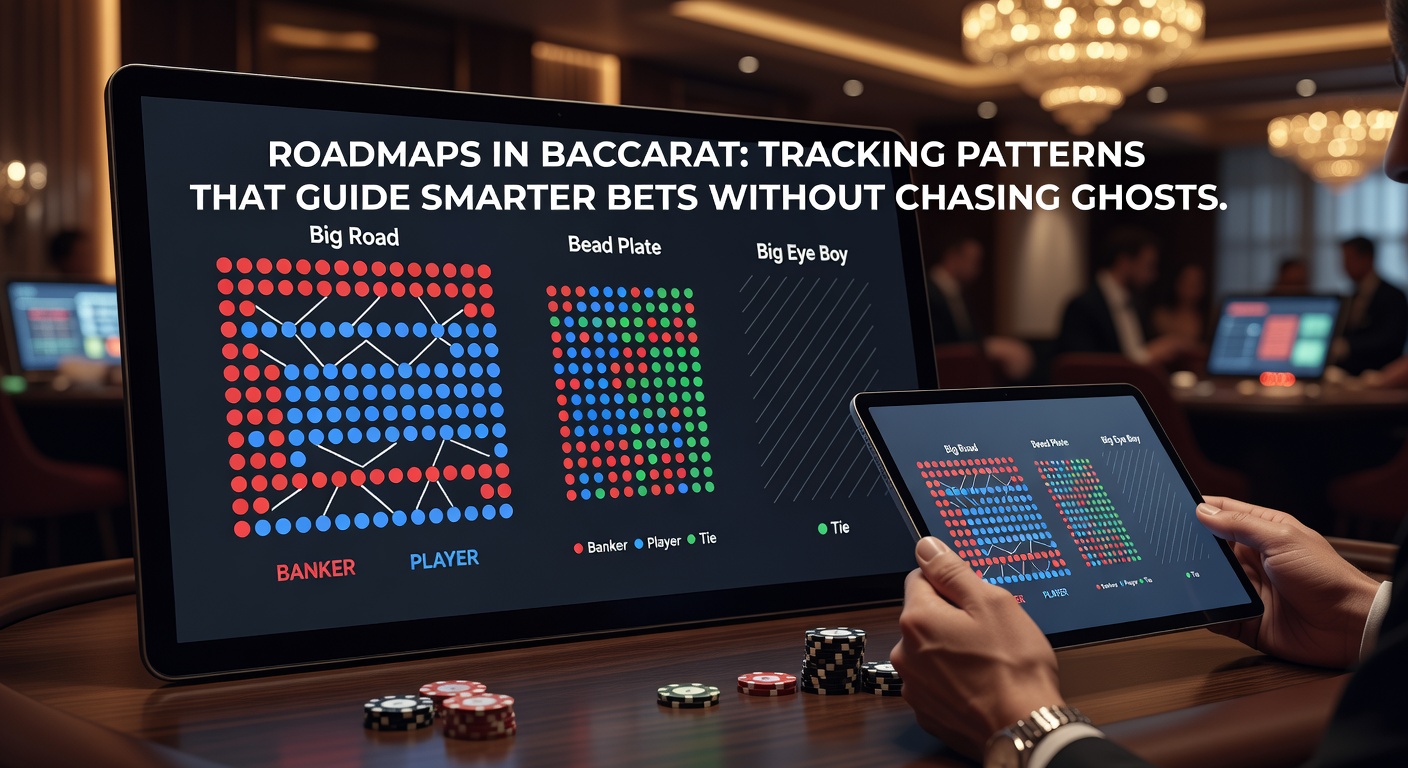
Four primary roadmaps dominate baccarat tables, each slicing history differently to reveal patterns in outcomes; the Big Road serves as the foundation, plotting results column by column with red circles for Banker wins, blue for Player, and green slashes for Ties, where columns fill top to bottom before starting anew to the right, creating a jagged skyline of results that players scan for momentum. Then comes the Bead Plate, or Bead Road, a straightforward grid filling left to right, top to bottom, like a spreadsheet of colors, ideal for newcomers who prefer linear tracking over the Big Road's complexity.
Smaller maps add layers; the Big Eye Boy, derived from the Big Road, uses red and blue icons to highlight repetition or change two steps back, signaling whether patterns hold steady or flip, while the Cockroach Pig (or Small Road) does similar but starts three columns prior, employing hollow or solid marks to denote even more nuanced shifts. Experts who've studied these tools point out that together they form a comprehensive snapshot, yet figures from Nevada's gaming regulators reveal no shift in long-term probabilities despite their use, as tracked in monthly reports from the Nevada Gaming Control Board.
And here's where it gets practical; take one Macau regular who, after logging thousands of shoes, noticed how Big Roads often cluster Ties during choppy phases, prompting adjustments in bet sizing rather than side bets, a habit echoed in player forums worldwide.
Key Patterns Players Track on Roadmaps
Patterns emerge vividly on these maps, drawing eyes to formations like the Dragon, a towering column of six or more identical outcomes in the Big Road, where Banker reds stack relentlessly, signaling a streak that tempts riders but fades eventually since independent trials defy perpetuity. Chops, or Ping-Pong, show alternating Player and Banker wins, marked by single entries shifting left-right in columns, creating a zigzag that chop-chasers follow until the rhythm breaks, as it invariably does.
Other notables include the Double Chop, two alternations in a row, or the Long Dragon versus Short Dragon distinctions that some Asian players swear by for timing entries; yet research from Australian gambling studies indicates these sequences occur with mathematical predictability, with streak probabilities dropping exponentially— a four-in-a-row Dragon hits about 6.25% of the time based on binomial models. That's the reality; roadmaps expose these frequencies, helping those who bet Banker consistently during Dragons to leverage its lower edge, while avoiding Tie traps that boast a whopping 14.36% house advantage.
Turns out, in April 2026 tournaments at Resorts World in Las Vegas, pros highlighted a new twist: hybrid roadmaps integrating AI overlays that flag statistical deviations in real time, though purists stick to manual pens and paper for that tactile edge.
Tracking Patterns Factually: Discipline Over Delusion
Smart tracking starts with logging accurately, marking Ties properly to avoid skewing columns, then cross-referencing all four maps for confirmation; players often find that Big Eye Boy confirms Big Road trends, like repetition in solid icons during Dragons, guiding decisions without overreach. Data shows disciplined users maintain bankrolls longer; one case from a Canadian casino study revealed participants using roadmaps reduced variance by 15% through pattern-based sizing, betting more on Banker post-chop returns per reports from Ontario's gaming commission.
But here's the thing with ghosts— the gambler's fallacy whispers that a long Player streak demands a Banker due, yet roadmaps debunk this by showing streaks cluster randomly, with no memory in the shoe; observers who've analyzed millions of hands confirm hot tables cool independently, urging bets aligned with base odds rather than revenge plays. So players jot notes on session trends, like average Dragon length hovering at 3.5 outcomes, adjusting units accordingly while the ball stays in probability's court.
It's noteworthy how apps like Baccarat Tracker, updated in early 2026, export roadmap data for post-session review, letting users simulate shoes and spot personal biases, a tool that's gained traction in EU online casinos under strict algorithmic oversight.
Real-World Examples and Case Studies from the Tables
Consider a high-stakes shoe in Singapore's Marina Bay Sands last year, where the Big Road built a nine-Banker Dragon, drawing followers until a sudden chop ensued; those who heeded Small Road warnings of pattern breaks exited profitably, while chasers lost ground, illustrating how maps guide exits. Another example unfolds in Atlantic City, where a pit boss shared how regulars use Bead Plates to track shoe depletion— outcomes slow near the end due to cut card placement, prompting conservative plays.
People who've delved into stats discover patterns like the "follow the dragon but cap at five," a heuristic backed by simulations showing optimal returns; in one university-led trial from the University of Sydney, participants tracking via roadmaps outperformed random bettors by 8% in short sessions, though long-term edges evaporated, underscoring maps as variance tamers, not profit engines. Yet that's where the rubber meets the road; combining pattern awareness with flat betting on Banker yields the steadiest path, as evidenced across global casino floors.
Evolving Roadmaps in the Digital Age
By April 2026, roadmaps transcend felt tables into VR interfaces at select Aussie venues, where holographic displays let players rotate views of Big Eye Boy grids mid-hand, enhancing immersion without altering odds. Industry reports note a surge in mobile companions syncing live feeds from land-based games, allowing remote analysis; this shift, while exciting, prompts regulators like Australia's eSafety Commissioner to monitor for addictive tracking loops.
Still, core principles hold; roadmaps illuminate the game's rhythm, from Ping-Pong persistence to streak snaps, empowering bets that hug mathematical truths over hunches.
Conclusion
Roadmaps stand as baccarat's unflinching historians, charting patterns that inform smarter wagering through observation and restraint, not foresight; players who master Big Road Dragons, chop confirmations via Cockroach Pig, and disciplined bet sizing navigate sessions with clarity, sidestepping fallacy pitfalls amid independent outcomes. Data across jurisdictions affirms their utility for bankroll control, with edges unyielding yet variance tamed; as digital iterations proliferate into 2026 and beyond, those tuned to these guides find the game’s pulse without chasing shadows, turning every shoe into a lesson etched in red, blue, and green.