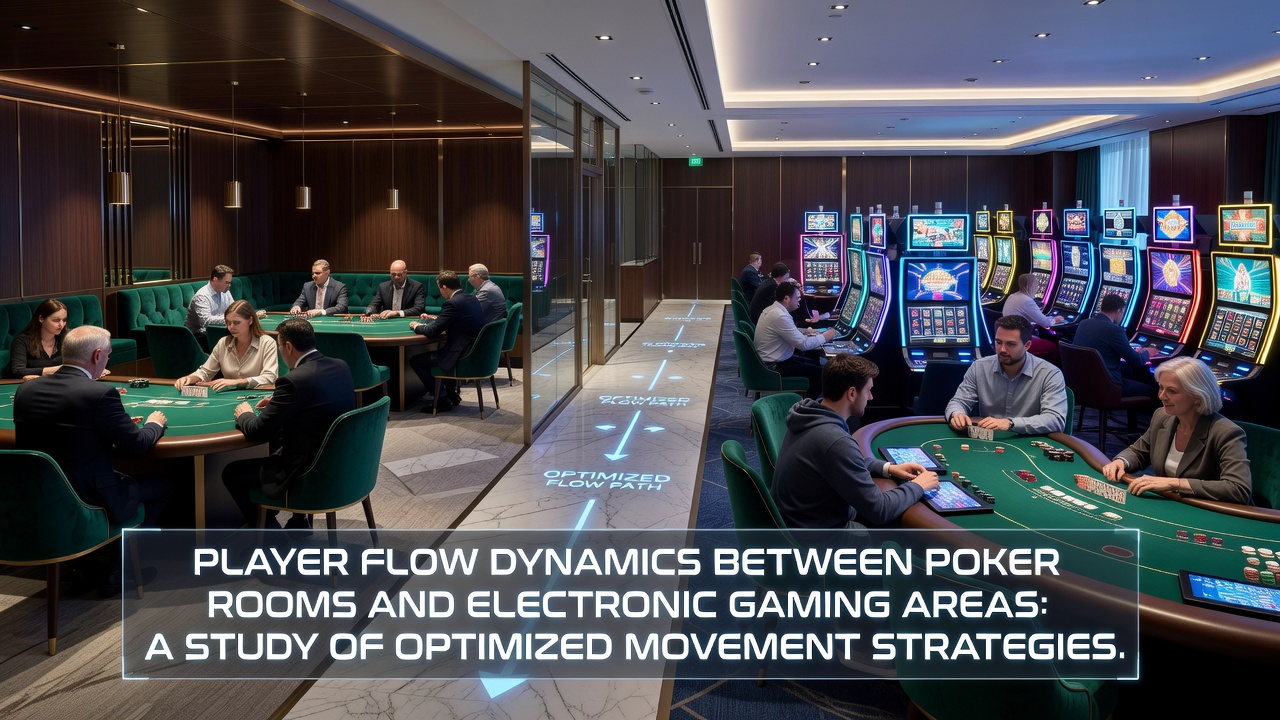
Player Flow Dynamics Between Poker Rooms and Electronic Gaming Areas: A Study of Optimized Movement Strategies
Player movement patterns between poker rooms and electronic gaming areas follow measurable routes shaped by game availability, seating turnover rates, and loyalty program incentives that encourage transitions across floor zones, and data collected from multiple properties show these flows peak during evening hours when table games reach capacity while slot banks remain accessible. Researchers tracking foot traffic with overhead sensors have documented average dwell times in poker sections lasting 90 minutes before participants shift toward electronic terminals, where shorter session lengths align with bonus accrual cycles that reward continued play across adjacent machines.
Key Factors Driving Transitions
Seating availability in poker rooms often dictates initial entry points, yet once players exit those tables they gravitate toward electronic gaming areas that offer immediate access without waitlists, and studies conducted across North American properties reveal that proximity between these zones reduces transition friction by up to 40 percent when walkways remain unobstructed. Observers note that loyalty tier benefits, such as free play credits earned through poker rake, frequently convert into electronic gaming credits during the same visit, which creates a documented loop where participants alternate between skill-based and chance-based options within single outings. Data from the Nevada Gaming Control Board indicates that properties with integrated floor plans record higher cross-zone activity compared to segmented layouts, since players encounter fewer physical barriers when moving between tables and terminals.
Strategies for Coordinated Movement
Optimized paths emerge when operators align tournament schedules in poker rooms with progressive jackpot cycles on nearby slot banks, allowing participants to complete one activity and enter the next without leaving the immediate area, and floor plans that position video poker terminals near high-traffic exits from table sections capture a measurable share of departing players. Those who manage bankrolls across both environments often time their shifts to coincide with minimum bet adjustments that occur at set intervals, which minimizes downtime and maintains engagement levels throughout extended visits. Case examples from multi-venue operators demonstrate that signage directing players toward electronic areas after poker sessions ends increases machine utilization rates without requiring additional staff intervention.
Data Patterns Observed in Mid-2026
July 2026 figures from several regional markets show steady increases in cross-zone participation, particularly at properties that introduced mobile alerts notifying poker players of open electronic terminals in adjacent sections, and these notifications correlate with reduced idle time between activities. Researchers analyzing session logs found that participants using loyalty apps to track progress across both poker and electronic gaming maintained longer overall visits, while those without app integration tended to exit after completing a single activity type. Evidence from industry reports further highlights that coordinated lighting and ambient sound adjustments between zones help sustain momentum during transitions, although exact implementation varies by property size and regional regulations.
Regional Variations in Flow Management
Properties in markets with stricter table minimum rules exhibit different transition speeds than those in more flexible jurisdictions, since players facing higher entry barriers at poker tables often default to electronic gaming sooner, and comparative analysis from Canadian provincial regulators alongside Australian state gaming commissions shows measurable differences in average movement times. Operators who adjust electronic terminal density near poker exits based on real-time occupancy data achieve smoother redistribution of participants, reducing congestion at peak periods while maintaining revenue streams across both categories. Those studying these patterns emphasize that successful strategies account for seasonal tourism fluctuations, which alter baseline flow volumes without changing the underlying directional preferences.
Measurement Tools and Metrics
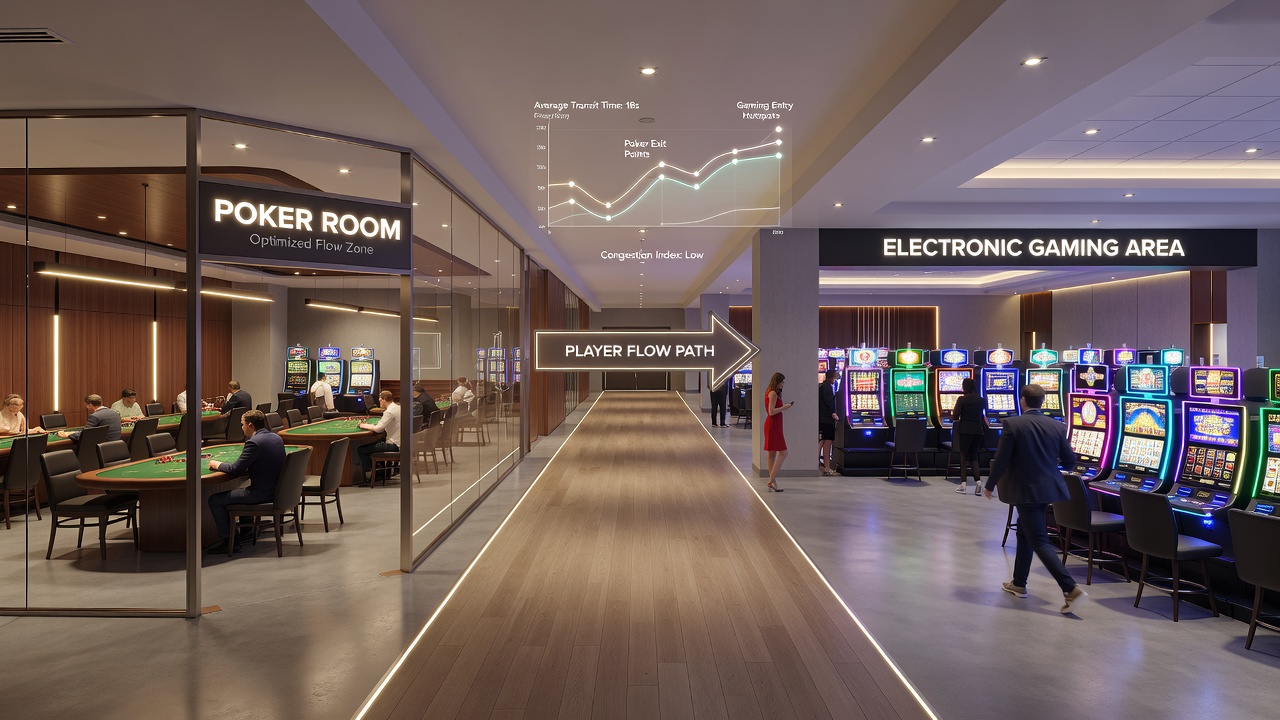
Overhead camera systems combined with RFID player cards provide granular data on individual paths, enabling operators to identify bottlenecks where movement slows between zones, and aggregated findings indicate that electronic gaming areas located within 50 meters of poker room exits capture the largest share of transitioning traffic. Metrics such as time-between-activities and repeat-zone visits help quantify optimization success, while software platforms that integrate these readings allow for dynamic floor adjustments during live operations. Evidence gathered through multi-year tracking programs confirms that properties refining these metrics experience measurable gains in overall floor efficiency without expanding physical footprints.
Conclusion
Player flow dynamics between poker rooms and electronic gaming areas continue to evolve through targeted layout refinements and data-driven scheduling, and ongoing collection of movement statistics supports incremental improvements that align with regulatory requirements across jurisdictions. Properties applying these insights maintain consistent activity levels by reducing friction points that previously interrupted transitions, which sustains engagement across both game categories throughout extended operating hours.