6 Jun 2026
Mapping Player Transitions in Adjacent Casino Zones to Enhance Complementary Reward Strategies
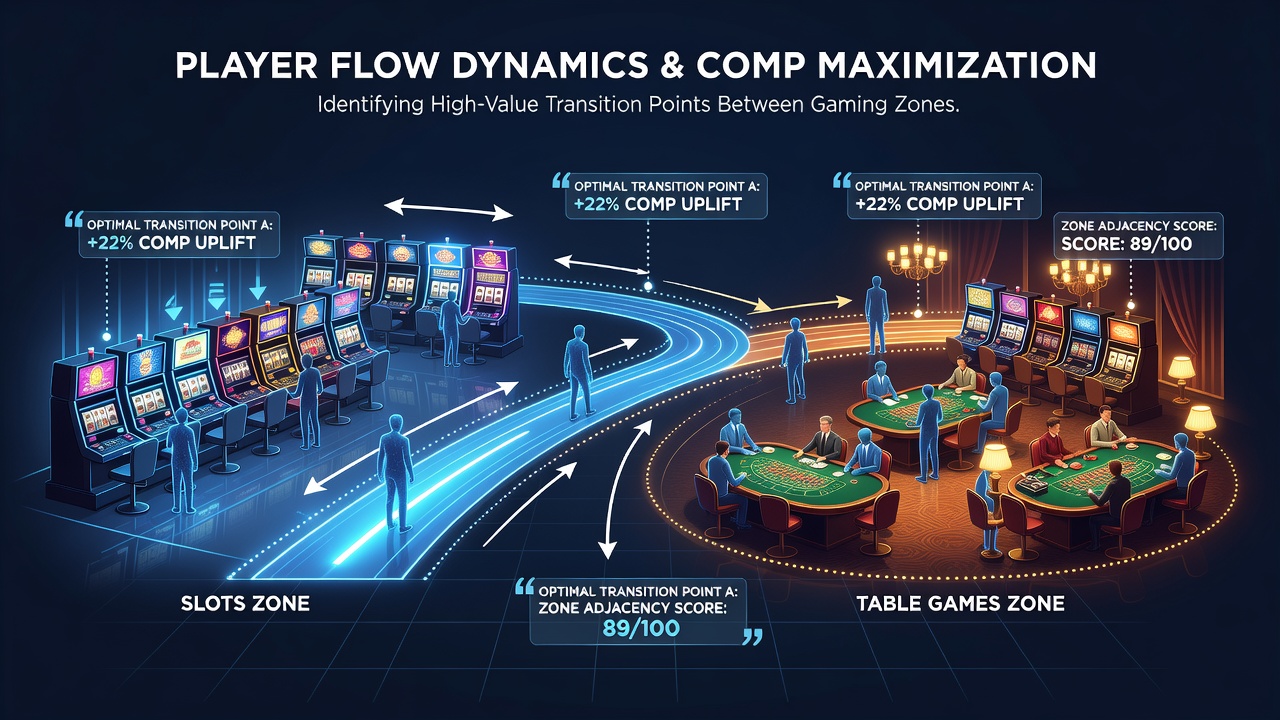
Player movement between adjacent gaming zones forms a core element of casino operations, with data tracking systems recording transitions that influence how rewards programs distribute complimentary items. Casinos monitor these flows through integrated player tracking platforms, where card swipes and sensor data capture entry and exit points at specific intervals. Research from the American Gaming Association indicates that structured analysis of these patterns allows operators to pinpoint locations where players shift from slots to table games or vice versa, thereby aligning comp allocations with actual play duration and wager volumes.
Data Collection Methods in Gaming Environments
Modern casinos deploy radio frequency identification tags embedded in loyalty cards alongside ceiling-mounted cameras and floor sensors to log player positions continuously. These systems generate datasets that reveal average dwell times in each zone, with figures from June 2026 showing increased transitions during evening hours in properties across multiple jurisdictions. Observers note that combining this information with transaction records helps identify clusters where movement peaks occur, such as pathways connecting video poker banks to roulette pits. Studies conducted by the International Gaming Institute at the University of Nevada, Las Vegas demonstrate that precise timestamping of zone entries supports calculations of theoretical win rates during each segment of a player's visit.
Identifying Optimal Transition Points
Transition points emerge where physical layouts encourage natural shifts, including walkway junctions and promotional signage placements that draw attention across zone boundaries. Analysts examine heat maps derived from aggregated movement data to locate spots where players pause before changing activities, since these pauses often coincide with decisions about continued play. Data shows that adjusting floor configurations around these points can extend session lengths, which in turn affects the accumulation of points needed for comp redemptions. Those who have reviewed operational reports from Canadian provincial gaming authorities, such as the Ontario Lottery and Gaming Corporation, find that synchronized timing between adjacent areas reduces friction in player journeys while maintaining revenue tracking accuracy.
Maximizing Comp Values Through Flow Analysis
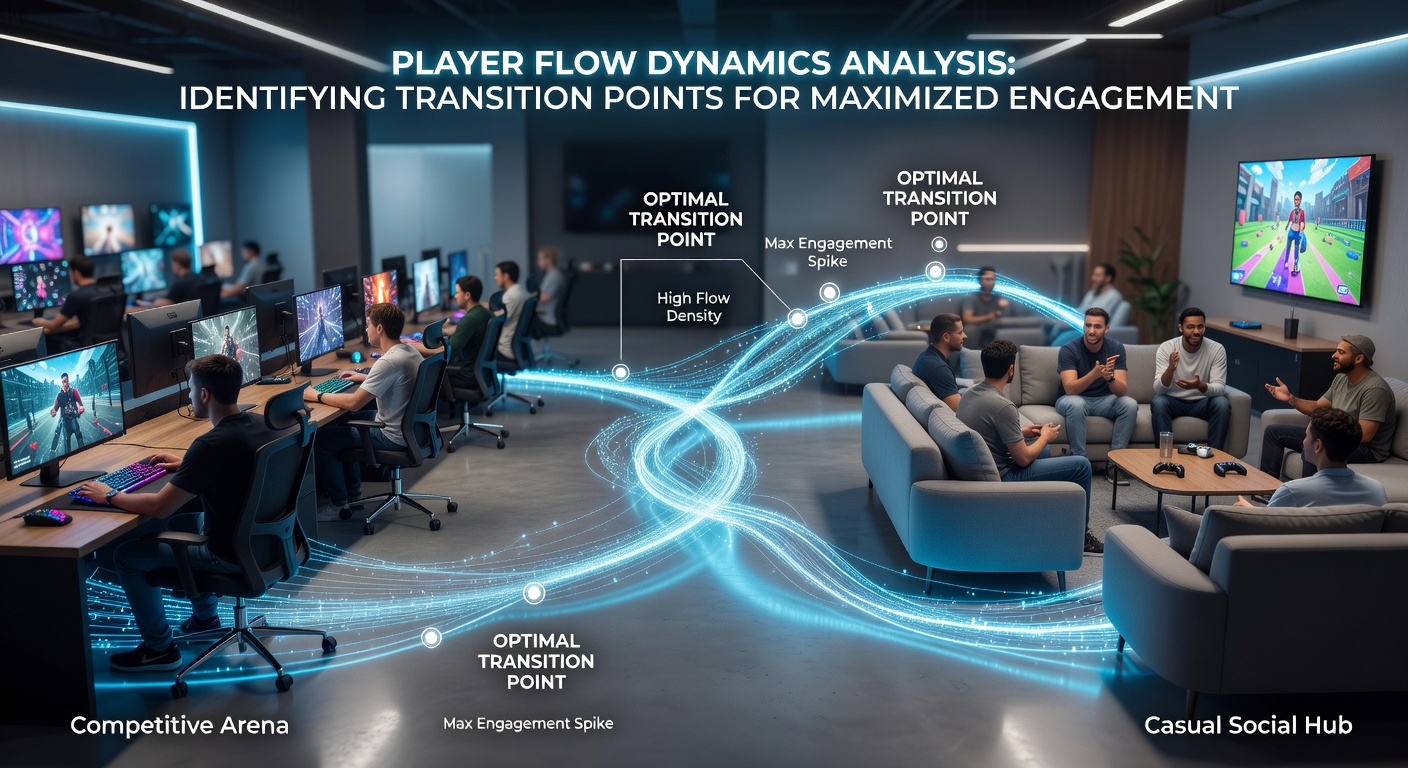
Comp values rise when operators match rewards to verified activity levels recorded across zone boundaries, rather than isolated machine or table metrics. Flow dynamics reveal opportunities to issue targeted offers at the moment a player enters a higher-wager zone, since historical patterns indicate elevated spend immediately after such moves. Evidence from regulatory filings in Nevada reveals that properties using predictive models based on transition data achieve tighter alignment between comp issuance and player lifetime value. This approach incorporates variables like time of day, group size, and prior visit frequency to calibrate offers without exceeding budgeted promotional expenses.
Regional Examples and Operational Adjustments
Properties in Atlantic City have implemented zone-specific sensors that feed real-time alerts to floor staff, allowing immediate recognition when a player crosses from low-denomination slots into mid-stakes tables. Similar systems in Australian venues, tracked through state gaming commissions, log how weather-related foot traffic influences indoor movement between outdoor smoking areas and main gaming floors. In each case, the collected information supports refinements such as relocating signage or repositioning host stations to intercept players at high-value transition moments. Reports compiled in June 2026 highlight incremental gains in comp efficiency when these adjustments coincide with loyalty tier promotions that encourage cross-zone exploration.
Conclusion
Analysis of player flow across adjacent gaming zones supplies casinos with measurable inputs for refining comp distribution frameworks. By focusing on documented transition data rather than assumptions about behavior, operators maintain compliance with reporting requirements while supporting sustained player engagement. Continued integration of sensor technology and analytical tools across regions points to ongoing refinements in how these dynamics shape reward strategies.