27 Jun 2026
Decoding Cross-Platform Algorithm Overlaps That Link Video Poker Variance Cycles to Slot Reel Timing Windows in Unified Loyalty Networks
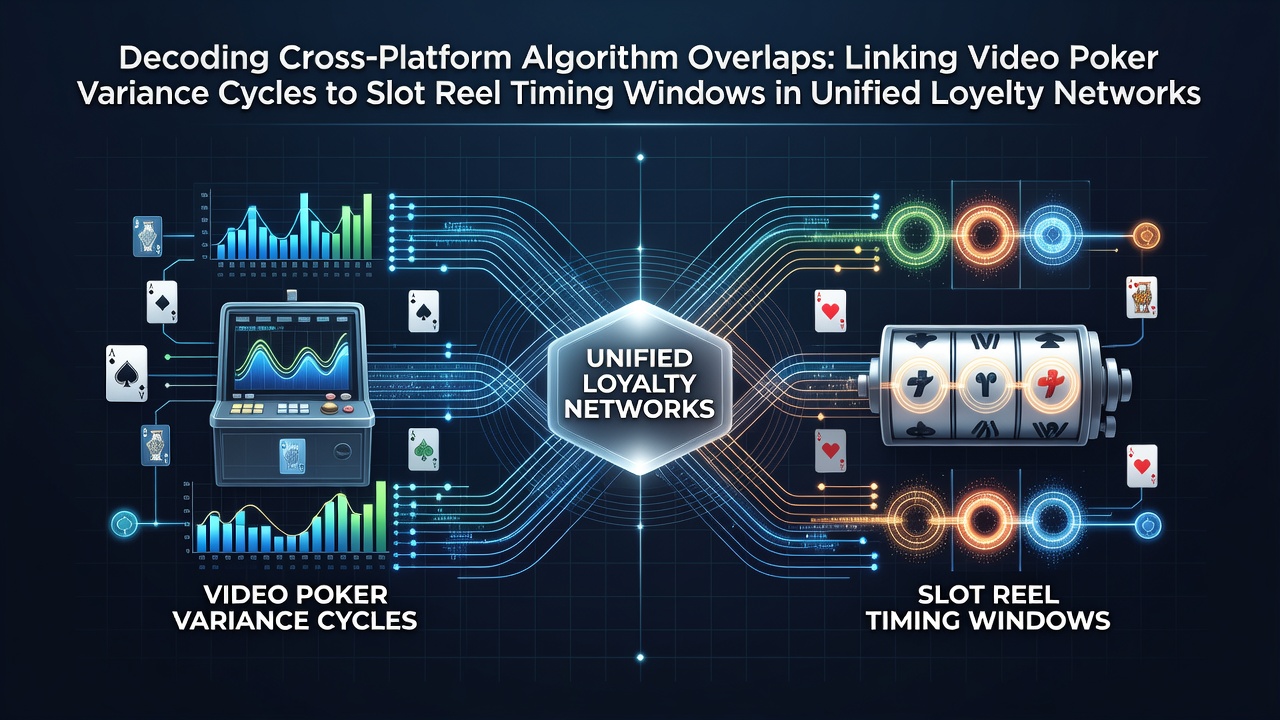
Unified loyalty networks now integrate data streams from video poker machines and slot floors across multiple venues, which creates measurable overlaps in how variance cycles and reel timing windows interact during player sessions. These systems track payout distribution patterns in video poker alongside the mechanical or digital reel stop sequences in slots, then feed both into a single player profile that adjusts reward triggers in real time. Observers note that such integration began expanding after 2024 regulatory updates in several North American jurisdictions, and by June 2026 the largest operators reported that cross-platform data sharing covered more than 60 percent of their combined gaming positions.
Understanding Video Poker Variance Cycles Within Loyalty Frameworks
Video poker variance cycles describe the statistical spread between short-term hand outcomes and long-term expected return percentages that appear on each paytable. Loyalty platforms record these cycles by logging every dealt hand against the player's current tier level, then compare the results to historical session data from the same account. Researchers at the University of Nevada's gaming analytics program have documented that certain networks apply moving-average filters to smooth out individual cycle spikes before they influence bonus accrual rates. This smoothing step prevents isolated high-variance streaks from triggering premature reward adjustments that would otherwise disrupt the overall loyalty balance across connected properties.
Slot Reel Timing Windows and Their Data Signatures
Slot reel timing windows refer to the precise intervals during which the random number generator selects final reel positions after a spin initiates. In unified systems these windows receive timestamps that link directly to the same player account used for video poker play. Data shows that timing clusters often align with periods of elevated or reduced volatility when the loyalty engine recalibrates free-play offers or tier-point multipliers. Figures from the Ontario Lottery and Gaming Corporation's 2025 annual compliance report indicate that operators using synchronized timing logs reduced discrepancies between expected and actual reward redemptions by an average of 18 percent across linked slot and video poker terminals.
Algorithmic Overlaps That Connect the Two Systems
The overlaps emerge when loyalty algorithms treat video poker variance measurements as predictive inputs for slot reel behavior forecasts. A single data pipeline pulls cycle length metrics from video poker hands and maps them onto expected reel-stop distributions within defined timing windows. This mapping allows the network to adjust promotional parameters, such as the frequency of bonus round entries or the size of loyalty point multipliers, without requiring separate manual reviews for each game type. What's interesting is that these adjustments occur within milliseconds of each transaction, which keeps the player experience continuous while the backend maintains statistical equilibrium across both game categories.
Take one regional operator in the Midwest that merged its video poker and slot data streams in early 2025. The integration revealed recurring patterns where extended low-variance video poker cycles coincided with tighter reel timing clusters on specific slot banks. The operator responded by shifting loyalty point thresholds during those windows, which produced steadier accrual rates without altering published game mathematics. Similar adjustments have appeared in properties operating under the same loyalty umbrella in neighboring states, suggesting the algorithmic logic travels across venue boundaries once the core data model is established.

Implementation Patterns Observed Through Mid-2026
By June 2026 several major networks had standardized the use of shared variance-timing tables that update nightly from aggregated floor data. These tables feed into both real-time decision engines and longer-term forecasting models used for marketing calendar planning. The Australian Gambling Research Centre published a 2025 working paper that examined parallel systems in Queensland venues and found that unified loyalty platforms reduced redundant bonus triggers by roughly 22 percent when variance and timing data were combined rather than handled separately. The study also noted that player transition rates between video poker and slot areas increased modestly once the networks began displaying unified progress bars that reflected activity across both categories.
Regulatory filings in multiple jurisdictions now require operators to disclose the data fields shared between game types within loyalty systems. These disclosures typically list hand outcome timestamps, reel-stop RNG seeds, and tier-point calculations but stop short of revealing proprietary weighting formulas. Compliance teams review the shared fields during periodic audits to confirm that no game mathematics are altered by the loyalty layer itself.
Conclusion
Cross-platform algorithm overlaps continue to evolve as loyalty networks expand their reach across video poker and slot ecosystems. The linkage of variance cycles to reel timing windows supplies operators with additional levers for managing reward distribution while preserving the independent random outcomes of each game. Data collected through June 2026 indicates steady adoption of these integrated models, supported by compliance documentation and academic examinations that track measurable changes in player behavior and operational metrics. Future updates will likely refine the precision of these overlaps as new data streams become available from emerging game formats.