21 May 2026
Charting Casino Loyalty Tier Benefits Against Evolving Table Minimums in Multi-Game Bonus Playthrough Sequences
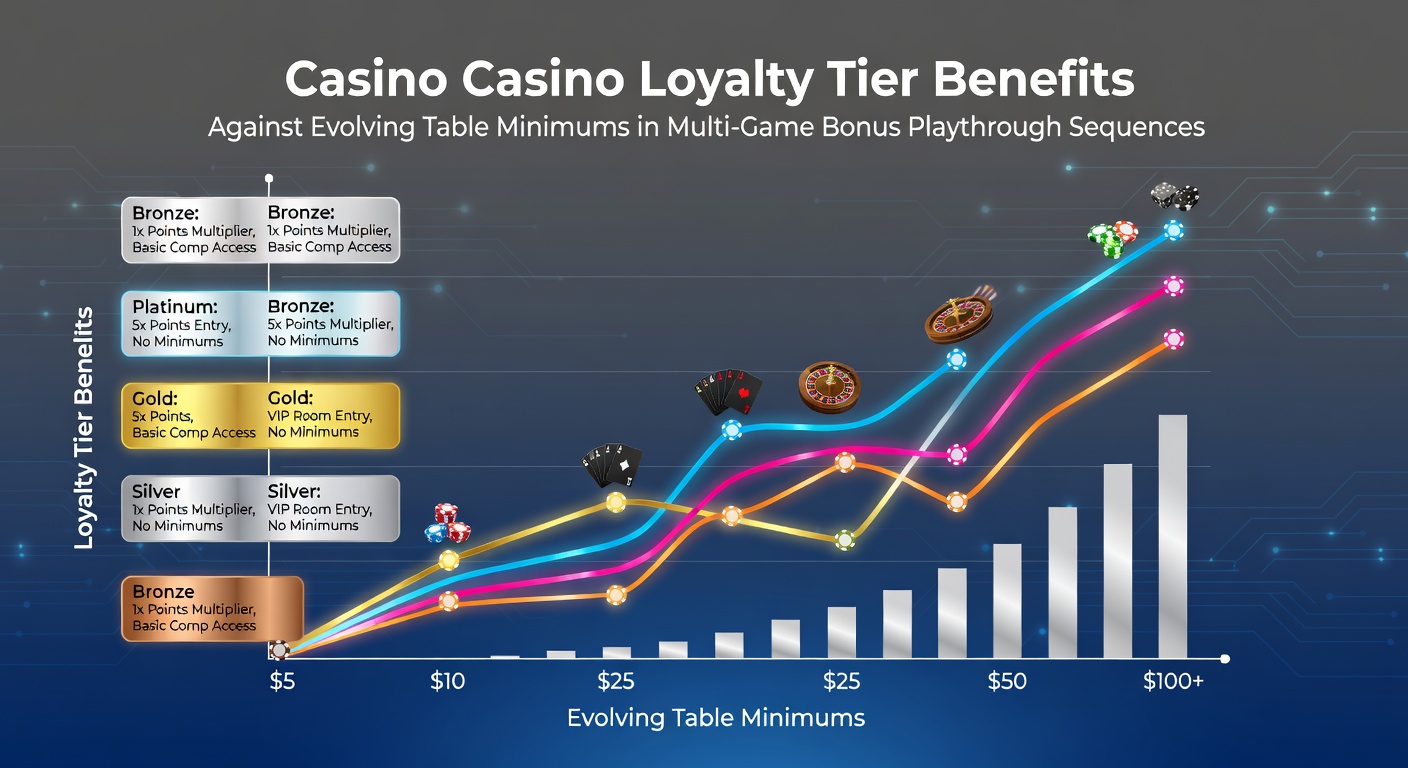
Observers note that casino loyalty programs have grown more intricate over the past decade, with tier benefits often tied directly to play volume and game selection. Data from industry reports shows players moving through silver, gold, and platinum levels receive escalating perks such as reduced table minimums, bonus multipliers, and priority access during peak hours. Yet these advantages shift when operators adjust minimum bets on blackjack, roulette, and craps tables, creating a dynamic landscape that requires careful tracking across multiple game sequences.
Understanding Loyalty Tier Structures in Modern Casinos
Many properties structure their programs around points earned per dollar wagered, though the conversion rates differ by region and operator. In Las Vegas, for instance, higher tiers unlock access to lower table minimums during certain promotional windows, while regional properties in Atlantic City and Mississippi follow similar patterns but with regional variations in point accrual. Research indicates that players who maintain consistent play across slots and table games often reach mid-tier status faster than those focused on a single category, because combined activity triggers cross-game bonuses that accelerate qualification.
Evolving Table Minimums and Their Impact on Playthrough Requirements
Table minimums have risen steadily since 2023, driven by operational costs and demand patterns. Figures from the Nevada Gaming Control Board reveal average blackjack minimums increased from $15 to $25 at many Strip properties by early 2026, with further adjustments noted in May of that year during a seasonal review period. These changes directly affect bonus playthrough sequences because players must meet wagering thresholds on games that now carry higher entry points, stretching the time required to clear promotional funds across multiple titles.
Multi-Game Bonus Sequences and Tier Interactions
Bonus playthroughs that span slots, video poker, and table games introduce additional variables when loyalty tiers come into play. A player at gold status might receive a 10 percent reduction in required playthrough volume, yet this discount applies only after meeting the new minimum bet levels on table games. Observers have documented cases where participants shifted from blackjack to baccarat mid-sequence to maintain momentum, because certain properties cap minimums differently across floor sections. Data shows that such adjustments help preserve tier benefits without exceeding daily loss limits set by the promotion terms.
What's interesting is how operators recalibrate these sequences each quarter. In May 2026 several major groups introduced tier-based multipliers that activate only when players alternate between at least three distinct game types within a single session. This approach encourages broader floor traffic while rewarding loyalty members who adapt to fluctuating minimums without losing progress toward the next tier.

Tracking Tools and Data Visualization Methods
Those who study these patterns often rely on spreadsheets or casino-provided apps to map tier progress against current minimums. One common method involves logging points earned per game type alongside the prevailing table minimum at the time of play. Analysts at the Canadian Gaming Association have published guidelines recommending weekly reviews, since minimum adjustments can occur with little notice and directly influence whether a player retains or loses a given tier's complimentary room offers and dining credits.
Regional Variations and Regulatory Influences
European and Australian markets present different frameworks compared with North American properties. In jurisdictions overseen by the Australian Communications and Media Authority, loyalty programs must disclose how table minimum changes affect bonus clearance timelines, creating greater transparency for players. Meanwhile, several U.S. tribal casinos have adopted similar disclosure practices voluntarily, aligning with broader industry efforts to standardize reporting. These regional differences mean that a strategy effective in one market may require adjustment when applied elsewhere.
Conclusion
Charting loyalty tier benefits against evolving table minimums in multi-game bonus playthrough sequences demands ongoing attention to both promotional rules and floor-level changes. Operators continue to refine these systems, and players who monitor point accrual, minimum fluctuations, and cross-game requirements position themselves to maximize available advantages. As conditions shift through 2026 and beyond, systematic tracking remains the clearest path to understanding how tier status interacts with the practical realities of bonus wagering across varied game offerings.