4 Jun 2026
Capital Allocation Frameworks During Overlapping Promotional Periods Across Gaming Variants
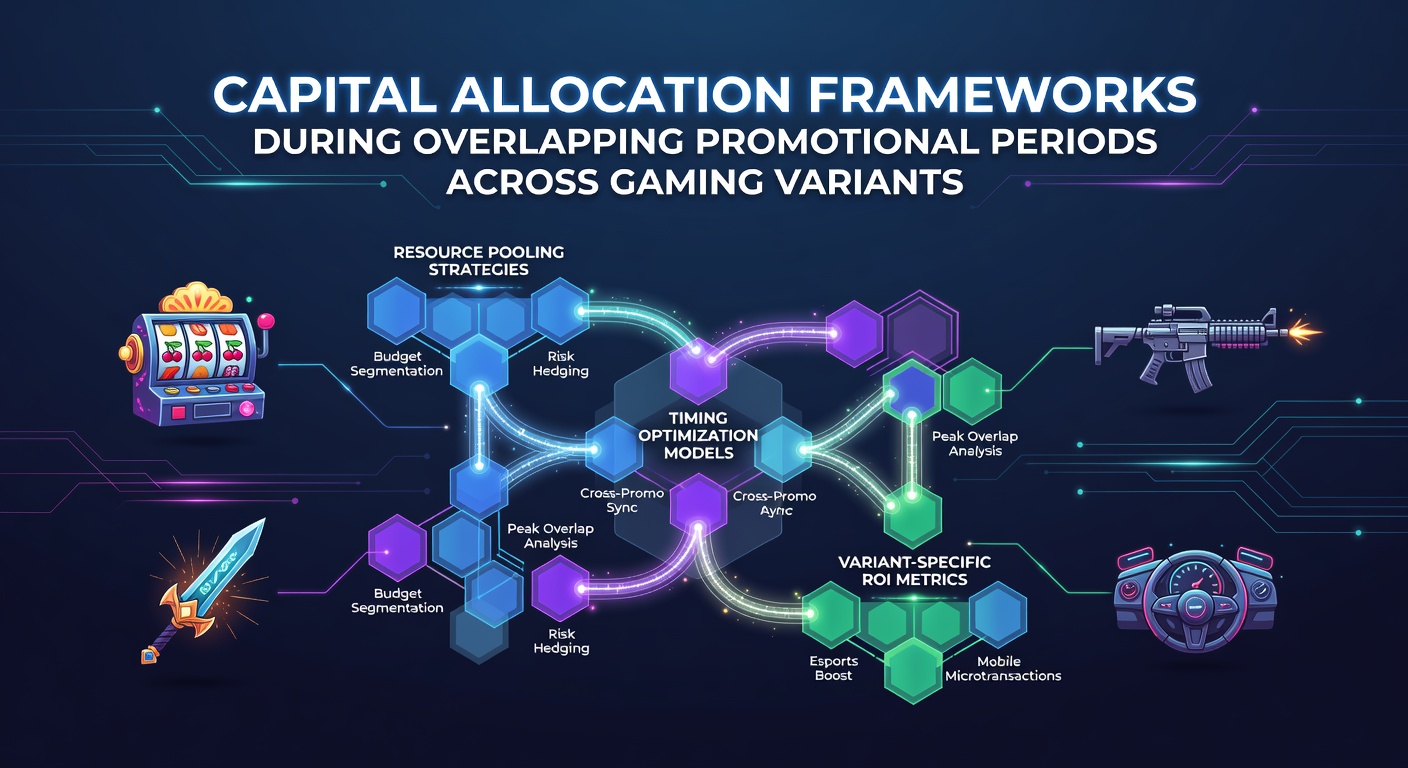
Operators across major gaming markets apply structured capital allocation frameworks when promotional campaigns overlap across slots, table games, video poker, and progressive jackpot pools, and these frameworks help match available funds to the varying requirements of each variant while promotions run simultaneously.
Data from regulatory filings indicate that synchronized bonus periods increased in frequency through the first half of 2026, which forced properties to recalibrate how they distribute marketing budgets and player incentives across different game categories.
Core Elements of Allocation Models
Frameworks typically begin with a priority matrix that ranks each promotion according to expected contribution margin, wager volume, and time-bound expiration dates, while the matrix incorporates house-edge differentials and volatility measures for each gaming variant. Teams assign numerical weights to free-spin bundles on slots versus match-play offers on blackjack or tournament entry credits in poker rooms, and they adjust those weights daily as redemption rates come in through loyalty-system feeds.
Capital is divided into tranches labeled by risk tier, and each tranche receives a percentage of the total promotional pool based on historical performance during similar overlap windows, whereas low-volatility table-game bonuses often receive larger shares because they generate steadier play volume than high-variance progressive jackpot triggers.
Handling Simultaneous Campaigns
When a slot tournament overlaps with a blackjack loss-rebate period and a video-poker multiplier event, allocation software reroutes remaining funds according to real-time redemption curves, and operators monitor the curves through centralized dashboards that update every fifteen minutes. The process prevents one high-traffic promotion from exhausting the budget before lower-traffic but higher-margin offers can activate.
June 2026 figures released by the Nevada Gaming Control Board showed that properties using automated reallocation tools recorded a 12 percent higher promotional return on investment compared with venues that applied static budgets during the same multi-week overlap cycle.
Cross-Variant Adjustments
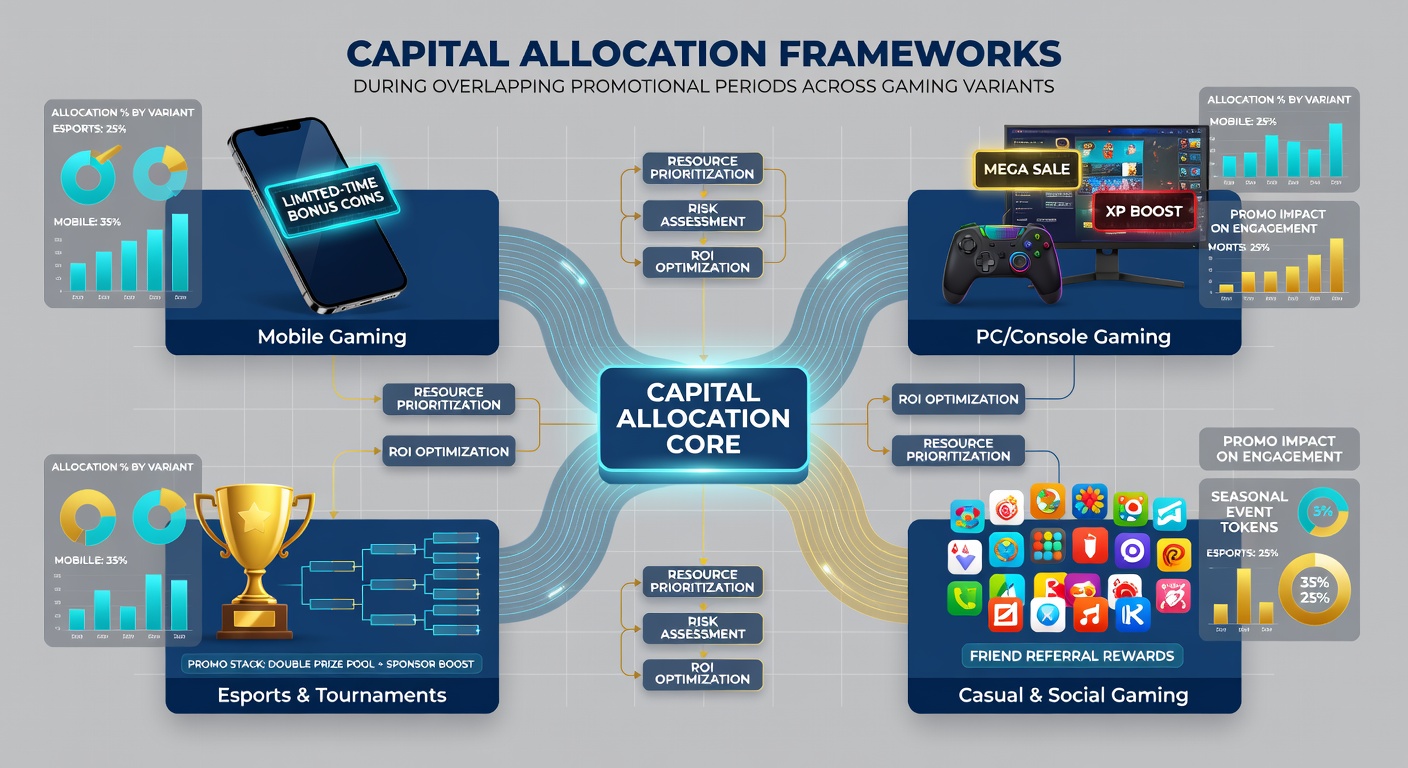
Slot promotions usually require larger upfront capital commitments because free-spin and bonus-round offers must be funded at the machine level, whereas table-game incentives often involve conditional rebates that only trigger after play thresholds are met, and allocation teams therefore front-load slot budgets while holding reserve tranches for table-game fulfillment. Poker tournament overlays present a third pattern because entry-fee subsidies are paid once per participant yet generate extended ring-game activity afterward.
Researchers at the University of Nevada, Las Vegas International Gaming Institute documented that venues balancing these three patterns through dynamic weighting formulas maintained steadier daily cash-flow variance during the spring 2026 promotional surge than properties relying on fixed percentage splits.
Regulatory and Reporting Considerations
Jurisdictions such as New Jersey and Pennsylvania require operators to file separate promotional expense reports for each game category, and overlapping periods complicate the filings because shared marketing costs must be apportioned according to documented play volume, so frameworks include audit-ready allocation ledgers that tag every dollar to its originating promotion and gaming variant. Compliance teams cross-check the ledgers against daily gaming reports submitted to state regulators.
Industry associations including the American Gaming Association have published guidance documents that outline acceptable apportionment methods, and those documents emphasize consistency across reporting periods so that overlapping campaigns do not distort year-over-year comparisons.
Technology Integration
Modern frameworks rely on application programming interfaces that connect player-tracking systems, slot accounting servers, and table-game management platforms, and the interfaces feed a central decision engine that recalculates remaining promotional capacity every time a player redeems an offer. The engine flags potential shortfalls hours before they occur and suggests transfers from underutilized tranches.
Properties that adopted such integrated systems before the 2026 overlap season reported fewer instances of promotional overspend and reduced the need for last-minute budget supplements from corporate reserves.
Conclusion
Capital allocation frameworks that accommodate overlapping promotional periods across gaming variants combine priority matrices, dynamic reallocation rules, and regulatory-compliant reporting structures, and operators continue to refine these frameworks as new data streams become available from loyalty platforms and state gaming agencies. The approach allows properties to maintain control over marketing spend while multiple campaigns compete for the same player attention and capital resources.