2 Jul 2026
Balancing Risk Parameters in Combined Digital Slot and Card Game Environments Through Adaptive Fund Distribution Methods
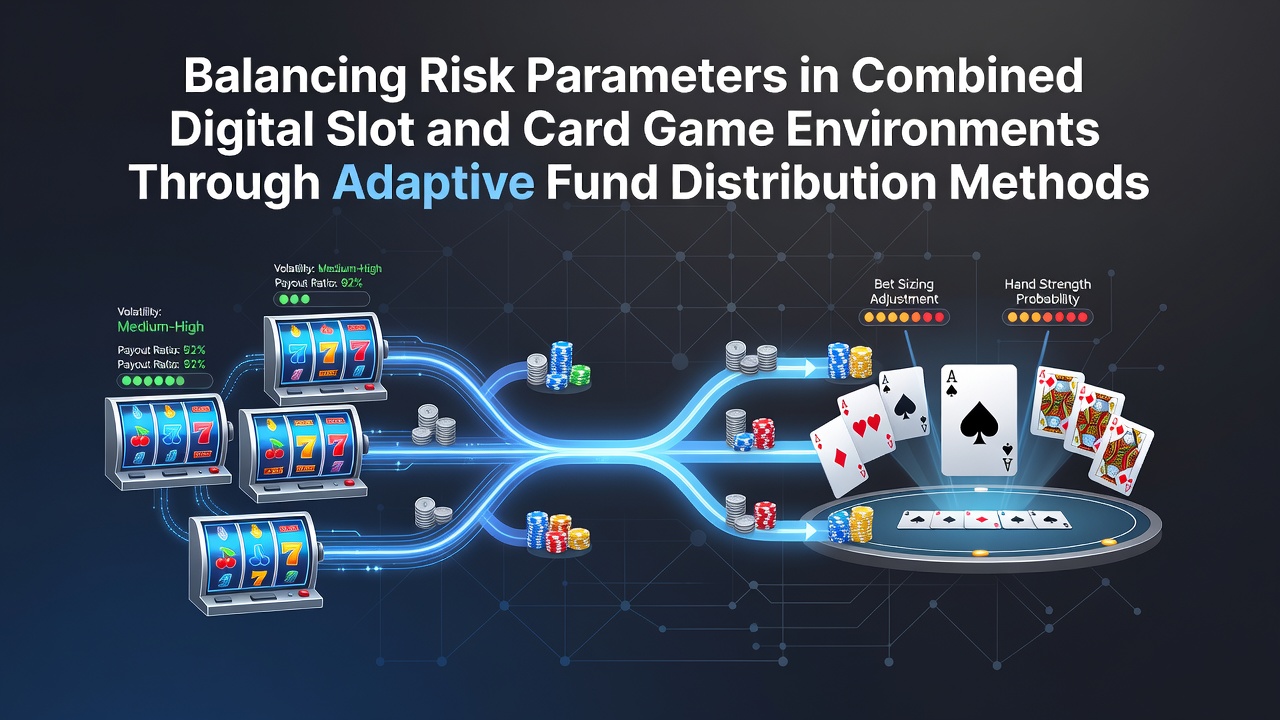
Hybrid gaming platforms that merge digital slot machines with card-based table games require precise coordination of risk exposure across both formats, and operators have turned to adaptive fund distribution methods to maintain equilibrium in real time. These systems allocate bankroll segments dynamically based on volatility metrics from slots and house-edge calculations from card variants, allowing seamless transitions between high-variance reel spins and lower-variance strategic play without breaching overall exposure limits.
Core Mechanics of Risk Calibration
Slot environments generate outcomes through random number generators that produce wide swings in return-to-player percentages during single sessions, whereas card games such as blackjack and baccarat operate under fixed mathematical probabilities that players can influence through decisions. Adaptive distribution engines monitor these differences by tracking session-level variance scores and reallocating available funds in increments as small as one percent of the total stake pool. When a sequence of slots produces elevated volatility readings, the system automatically shifts portions of the remaining capital toward card tables where outcomes follow more predictable distributions, thereby smoothing the aggregate drawdown curve.
July 2026 updates to platform architecture have incorporated machine-learning layers that ingest historical payout data from both game types simultaneously, enabling preemptive adjustments before a player initiates the next round. These layers reference regulatory filings that document average session lengths and maximum bet thresholds across multi-game lobbies, ensuring compliance remains intact while funds move between categories.
Implementation in Live Platforms
One documented deployment in North American online casinos integrates the distribution logic directly into the game client, where a background process evaluates the ratio of recent slot spins to card hands played and applies proportional caps accordingly. Data released through quarterly summaries from the Nevada Gaming Control Board shows that platforms employing these methods recorded a measurable reduction in single-session bankroll depletion rates during combined play periods. The same reports note that the technique pairs effectively with loyalty-point accrual engines, because fund reallocation occurs without interrupting the tracking of wager volume required for tier progression.
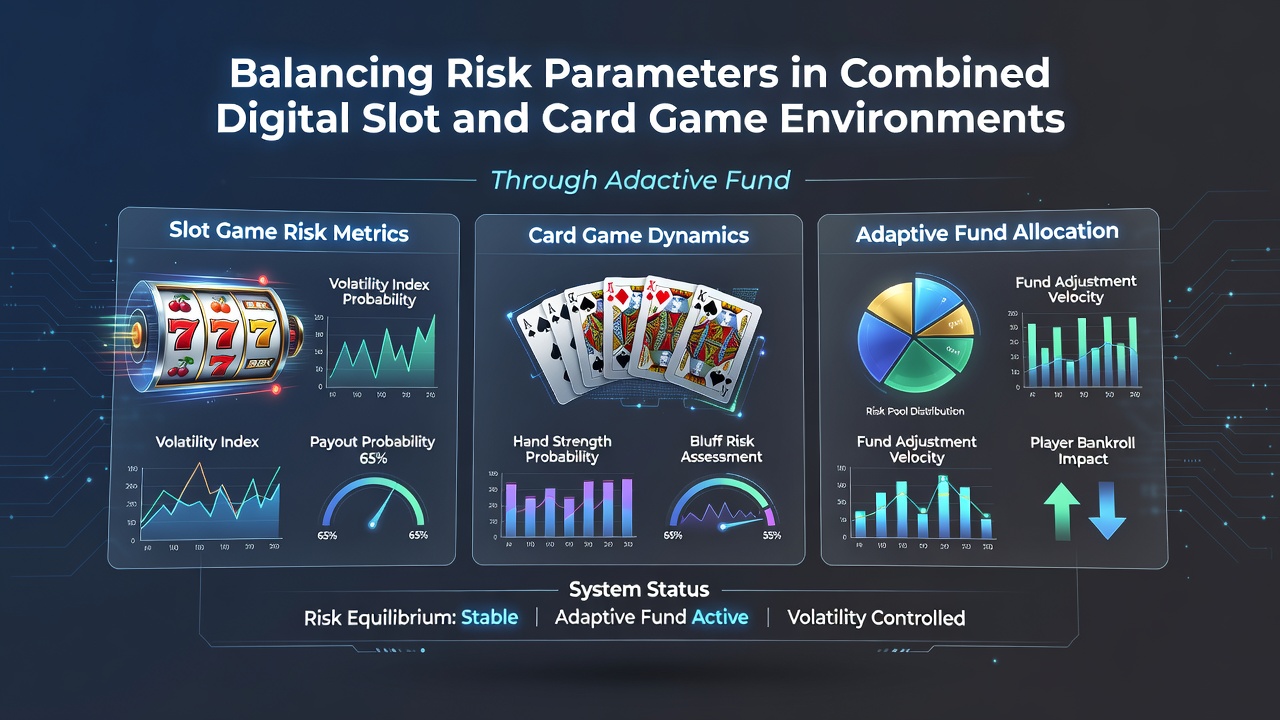
European operators have adopted parallel frameworks under oversight from the Malta Gaming Authority, where cross-game fund balancing must also satisfy strict player-protection thresholds. In these installations the adaptive engine pauses redistribution if any single game category exceeds a predefined concentration limit, forcing the session to continue within safer boundaries until equilibrium returns. Observers note that this safeguard prevents scenarios in which a prolonged card-game streak could otherwise starve the slot component of necessary stake volume.
Data Patterns and Adjustment Triggers
Industry datasets compiled through 2025 and into mid-2026 reveal consistent patterns: sessions that begin with slot-heavy activity exhibit higher initial variance, prompting the distribution algorithm to reserve larger reserves for subsequent card play. Conversely, sequences that open on blackjack or poker tables tend to stabilize faster, allowing modest increases in slot allocation without elevating overall risk. The trigger thresholds derive from statistical models that calculate expected value ranges for each game category, then apply weighted multipliers based on the number of active paylines or side bets selected.
Academic analyses published in gaming-technology journals have examined how these models perform when multiple users share pooled progressive elements across both slots and card side games. Findings indicate that adaptive distribution reduces the frequency of simultaneous large claims on shared prize pools, because capital is dispersed rather than concentrated in one format at any given moment. Such dispersion also aligns with scheduling requirements for tournament qualifiers that combine slot and card components within single entry windows.
Integration With Existing Loyalty and Bonus Structures
Adaptive fund distribution interfaces directly with bonus wagering trackers that count contributions from both slots and card games toward playthrough requirements. When the system detects that a player has nearly exhausted the required volume in one category, it can redirect remaining funds to the alternate format to complete the obligation without extending session time unnecessarily. This coordination avoids the common issue of bonus expiration occurring before all stipulated wagers have been placed.
Regional variations appear in how operators apply these tools. Australian venues licensed under state gaming commissions, for instance, incorporate additional checks that reference local responsible-gambling codes, whereas Canadian provincial regulators emphasize transparency in how distribution decisions are communicated to players through on-screen notifications. In each jurisdiction the underlying mathematics remains consistent, yet the presentation layer adapts to satisfy distinct reporting standards.
Conclusion
Balancing risk across combined digital slot and card environments through adaptive fund distribution continues to evolve as platforms incorporate finer-grained data inputs and regulatory expectations shift. The method supplies operators with a mechanism for maintaining session stability while preserving player choice across game types, and ongoing refinements in July 2026 point toward even tighter integration with real-time compliance dashboards. Continued examination of performance metrics from multiple regulatory regions will determine how widely these techniques expand into additional hybrid formats.